
Spray Sealant or Carnauba Wax? Choose the Right Protection for Everyday Use in Winter and Rain

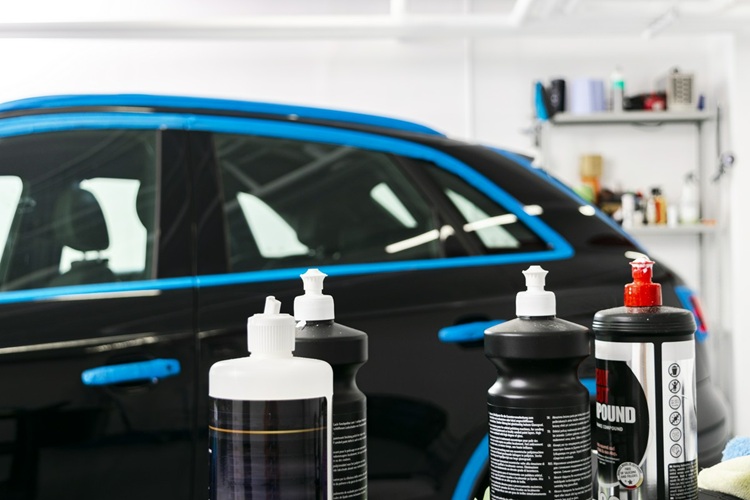
Properly protecting your vehicle’s paintwork against moisture and road salt starts with choosing between synthetic polymers and natural waxes. A synthetic spray sealant provides long-lasting durability and strong hydrophobic properties, making it an excellent choice for harsh winter conditions. Natural Carnauba wax, on the other hand, delivers exceptional depth of color and gloss but requires more frequent reapplication, as it is more easily stripped away by the aggressive chemicals often used in touchless car washes. Understanding the differences between these products allows you to tailor your paint protection routine to both weather conditions and the amount of time available for vehicle maintenance.
Differences Between a Spray Sealant and Carnauba Wax
The key distinction between these two types of protection lies in their chemical composition and the way they interact with the clear coat.
Sealants are laboratory-developed products based on polymers, acrylic compounds, or silicon-based particles, enabling them to create an extremely durable and tightly bonded protective layer that withstands extreme temperatures. Carnauba, by contrast, is a natural wax derived from the leaves of Brazilian palm trees. Rather than forming a chemical bond with the paint, it settles tightly on the surface.
This results in a highly desirable visual finish appreciated by automotive enthusiasts, but it also means lower resistance to abrasion and environmental wear.
How Paint Protection Works in Winter and Rainy Conditions
Winter conditions expose vehicle paintwork to slush, road salt, and abrasive particles constantly impacting the bodywork. A protective coating acts as a physical barrier with high surface tension that repels water and contaminants through hydrophobic behavior.
On a protected surface, the contact angle of water droplets often exceeds 110 degrees. As a result, dirt is less likely to adhere to the paint and is more easily carried away by airflow while driving. During periods of high humidity, synthetic protection products offer significantly better resistance to road salt, preventing contaminants from penetrating microscopic imperfections in the paint and helping to reduce the risk of corrosion.
When Should You Choose a Spray Sealant? Advantages and Limitations
Synthetic sealants are the ideal solution for drivers seeking maximum durability with minimal maintenance effort.
The convenient spray format allows for rapid application immediately after washing, often even on wet paintwork, reducing the entire protection process to just a few minutes.
Key benefits of synthetic sealants include:
- Long-lasting protection – typically remains effective for several weeks or even months, depending on weather conditions and washing frequency.
- Chemical resistance – withstands strong detergents and alkaline pre-wash products commonly used in touchless car washes.
- Easy application – requires no extensive buffing or labor-intensive polishing.
- Gloss enhancement – produces a bright, glass-like shine, although it does not conceal minor imperfections as effectively as natural waxes.
When selecting professional car care products, it is worth considering formulas that contain silicon dioxide (SiO₂). These additives further harden the protective layer and help keep daily-driven vehicles cleaner for longer.
Advantages and Disadvantages of Using Carnauba Wax
Applying traditional Carnauba wax requires proper paint preparation, including thorough claying and paint decontamination before waxing.
This natural wax effectively fills minor surface imperfections and gives paintwork, especially darker colors, remarkable depth and the highly sought-after wet-look finish.
The primary drawback of Carnauba wax is its sensitivity to fluctuating temperatures, heavy rainfall, and aggressive winter road chemicals. Road salt and harsh weather conditions can significantly diminish the protective layer after only a few washes. Consequently, maintaining Carnauba protection throughout the autumn and winter months requires frequent reapplication.
Which Product Is Best for Daily Winter Car Care?
For vehicles regularly exposed to challenging weather conditions, modern synthetic spray sealants have a clear advantage.
They provide a consistent protective barrier and make it easier to rinse away dirt and road grime without compromising the protection during washing. Professional detailing brands such as Shine Point offer advanced formulations that combine polymers with quartz-based technologies, creating an effective shield against moisture and road salt.
Natural waxes are generally better suited for warmer seasons, when achieving the best possible visual appearance takes priority during car shows, meetups, or weekend drives.
Key Takeaways for Winter Paint Protection
- Choose synthetic spray sealants for long-lasting protection against road salt, moisture, and freezing temperatures.
- Use natural Carnauba wax during warmer months to achieve exceptional color depth and a rich wet-look finish.
- Take advantage of wet-application sealants to significantly reduce maintenance and drying time after washing.
- Avoid frequent use of highly aggressive detergents on waxed vehicles, as they can quickly degrade traditional wax protection.
- Select polymer-based products, particularly those containing SiO₂, for enhanced hydrophobic performance and improved resistance to dirt accumulation.
Frequently Asked Questions
Can a Spray Sealant Be Applied Over Carnauba Wax?
Applying a synthetic sealant directly over a layer of Carnauba wax is not recommended. Polymers require a completely clean and residue-free paint surface to achieve a strong bond. However, the reverse approach works well: a layer of Carnauba wax can be applied over a fully cured sealant to add extra warmth and gloss.
How Often Should a Sealant Be Reapplied During Winter?
Sealant durability depends largely on washing frequency and the strength of cleaning chemicals used. During winter, applying a booster layer from a spray bottle every three to four washes is usually sufficient to maintain consistent hydrophobic performance.
Why Does Carnauba Wax Disappear So Quickly During Long Periods of Rain?
Carnauba wax does not form strong molecular bonds with the paint surface. Instead, it sits on top of the clear coat as a protective layer. Continuous exposure to water, road grime, and environmental contamination gradually wears away and washes off the wax.
What Is the Best Way to Remove Old Wax Before Applying a New Sealant?
Old wax residues can be safely removed using dedicated wax removers, silicone removers, or pure isopropyl alcohol (IPA). These products thoroughly cleanse and degrease the paint surface, preparing it for optimal bonding with a new synthetic sealant.